

Your buyers now ask ChatGPT, Claude, Gemini or Google's AI Mode for help before they open a list of search results. They ask which supplier to trust, what a service should cost and how two options compare, and they get one written answer that names a few businesses. Answer engine optimisation (AEO) is how your business becomes one of those names. This guide explains what AEO is, how it differs from SEO, where AI answers appear, and how to do it for your business step by step, with the results you can expect and how to measure them.
What is answer engine optimisation (AEO)?
Answer engine optimisation (AEO) is the work of making your business the source that AI tools quote, cite and recommend when people ask them questions. It covers ChatGPT, Claude, Gemini, Perplexity and Google's AI Overviews and AI Mode, and it builds on SEO so your pages are found, trusted and easy for AI to use.
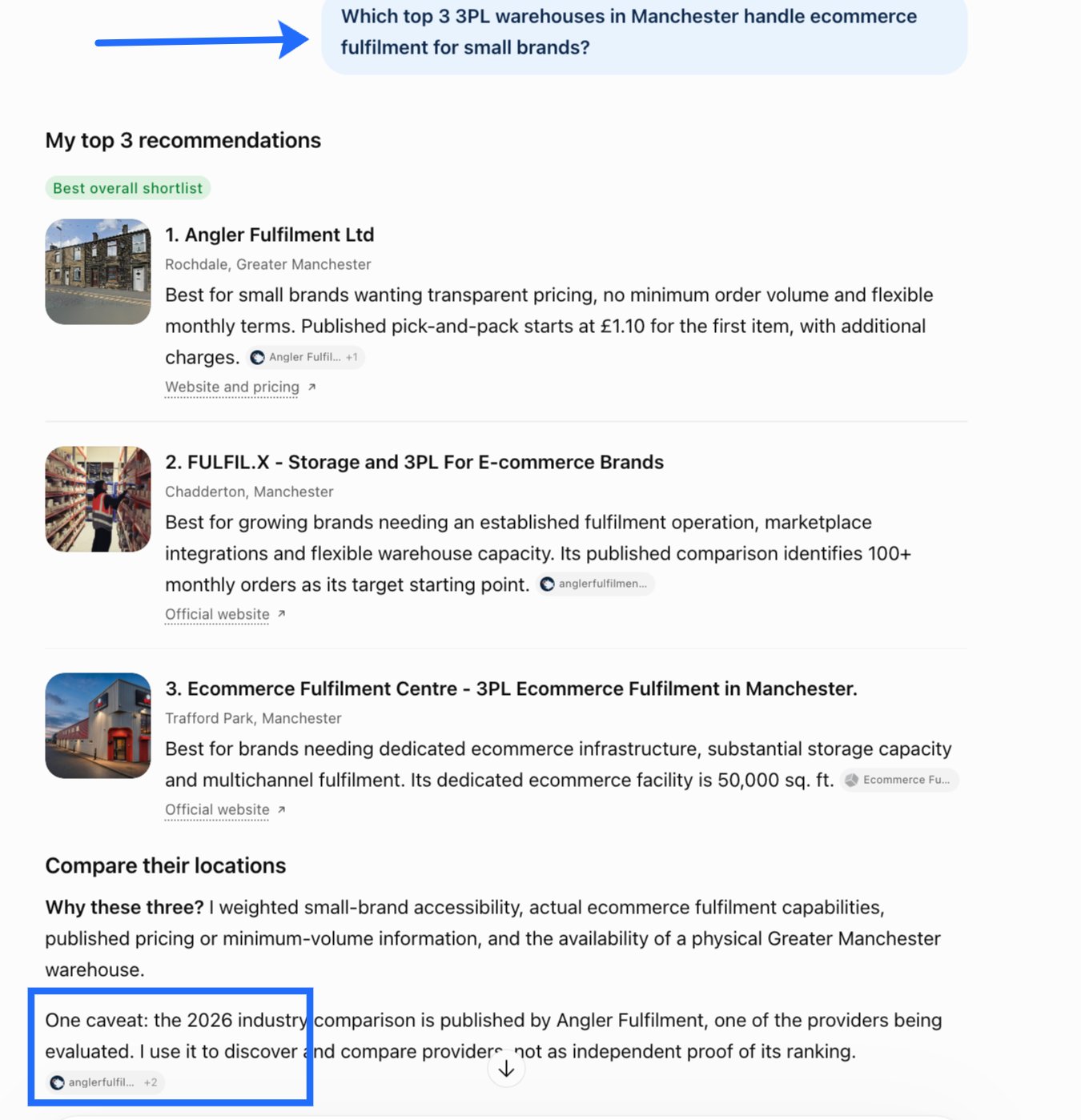
An answer engine is any tool that replies with a written answer instead of a list of links. Search engines still sit inside most of them. When you ask ChatGPT for "the best 3PL warehouse in Manchester", it searches the web, reads a handful of pages and writes a summary. AEO decides whether your page is one it reads, and whether your business is one it names.
For your business, that means two outcomes worth working for:
- Citations: the AI tool links to your page as a source.
- Mentions: the AI tool names your business in its answer, with or without a link.
What is the difference between AEO, GEO and SEO?
SEO (search engine optimisation) helps your pages rank in Google and Bing results. AEO helps your business appear inside AI answers. GEO (generative engine optimisation) is a name for the same work that came from academic research, and most people now use AEO and GEO to mean the same thing.
In plain English:
- SEO earns you a place in the list of results.
- AEO and GEO earn you a place in the answer written above or instead of that list.
- Both rely on the same foundation: pages that search engines can crawl, content that answers real questions and a reputation other websites confirm.
The term GEO comes from a 2023 study by researchers at Princeton University, which tested how content changes affect visibility in AI-generated answers. Adding clear statistics, quotations and cited sources raised visibility the most.
Why does AEO depend on SEO?
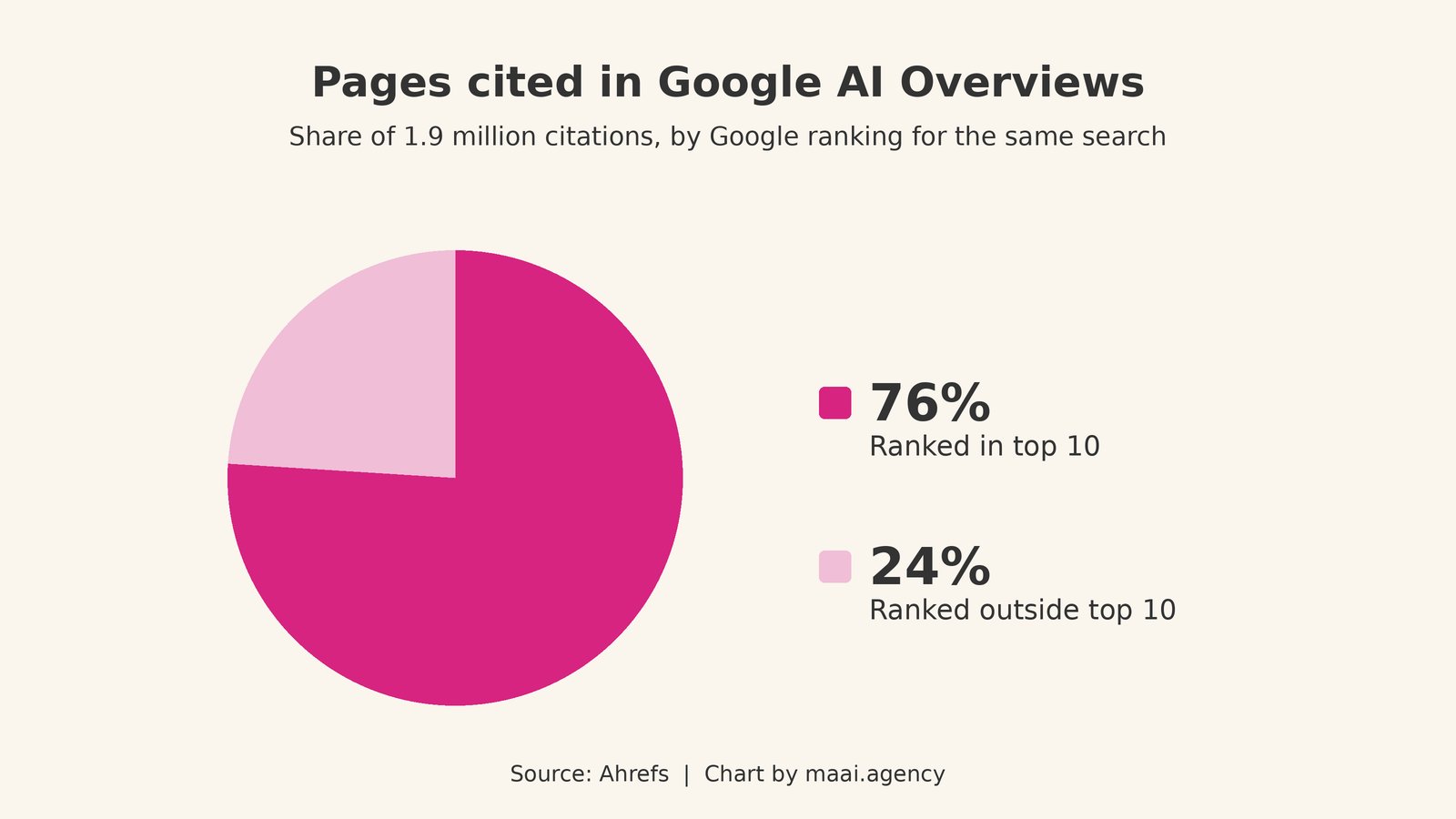
Most AI tools search the web before they answer, so a page that cannot rank is rarely a page that gets quoted. An analysis of 1.9 million AI Overview citations by Ahrefs found that 76% of cited pages also ranked in Google's top 10 for the same search.
AEO is just SEO with a coat of paint.
There is truth in that view, since the foundation is the same. Strong SEO puts your page in the pool AI tools read, and AEO adds the work that makes your page the one they choose to quote.
Where do AEO answers appear, and how does each platform differ?
Each answer engine finds and shows sources in its own way, so the same page can appear in one and be missing from another. Here is how the main ones work in 2027.
ChatGPT
ChatGPT answers from its training data, and searches the web through third-party providers, including Bing, when a question needs current information such as suppliers, prices or reviews. Search answers show source links and often a short list of recommended businesses.
Claude
Claude, made by Anthropic, is widely used for work research, writing and analysis, so many of its users are professionals comparing options for their business. With web search on, it reads current pages and cites them inline.
Gemini
Gemini is Google's AI assistant. It draws on Google Search, so your Google rankings, Business Profile and reviews all shape what it says about you.
Perplexity
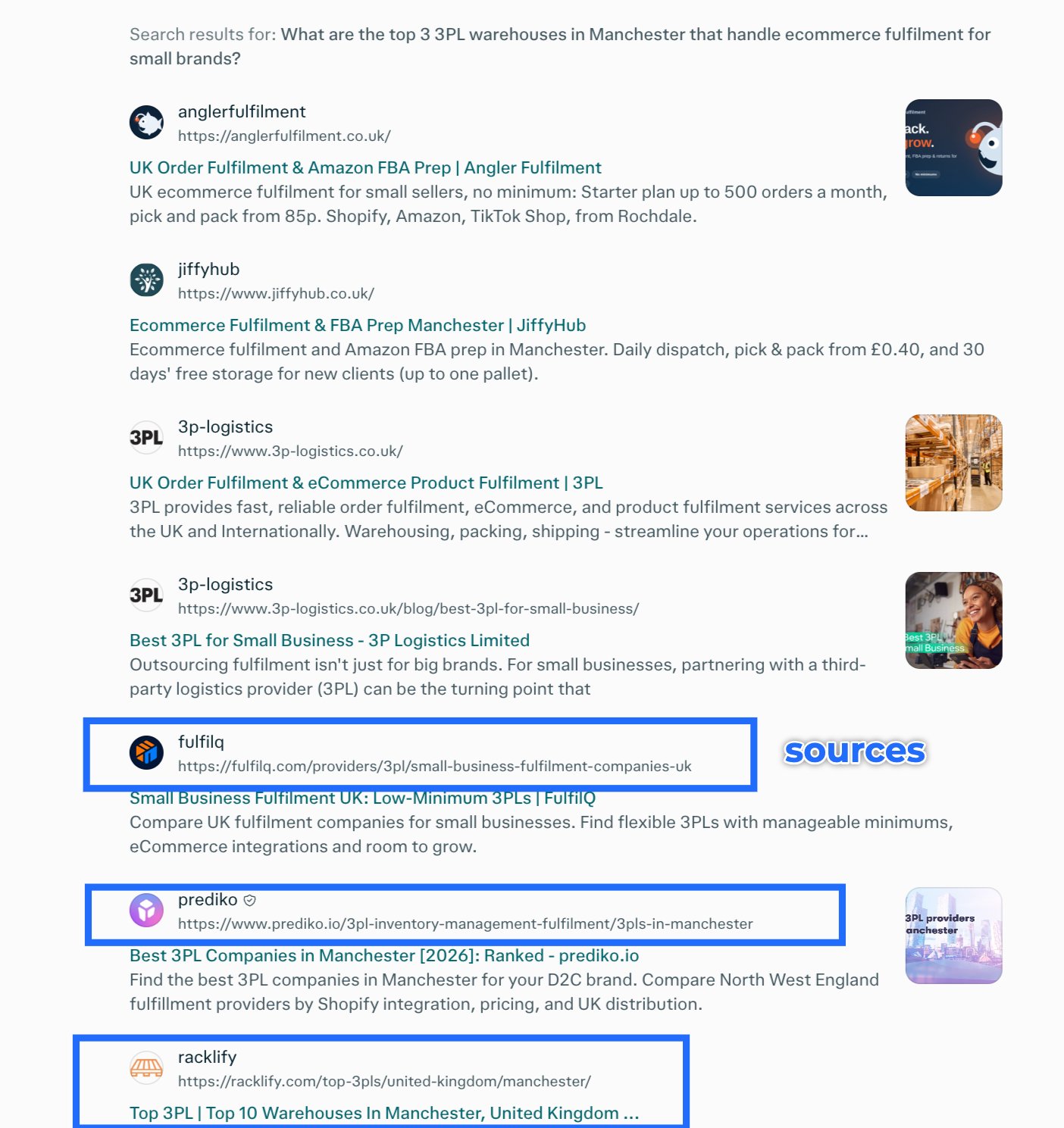
Perplexity searches the web for almost every question and shows numbered sources beside each answer. It is the easiest platform to test, because you can see exactly which pages it used.
Google AI Overviews and AI Mode
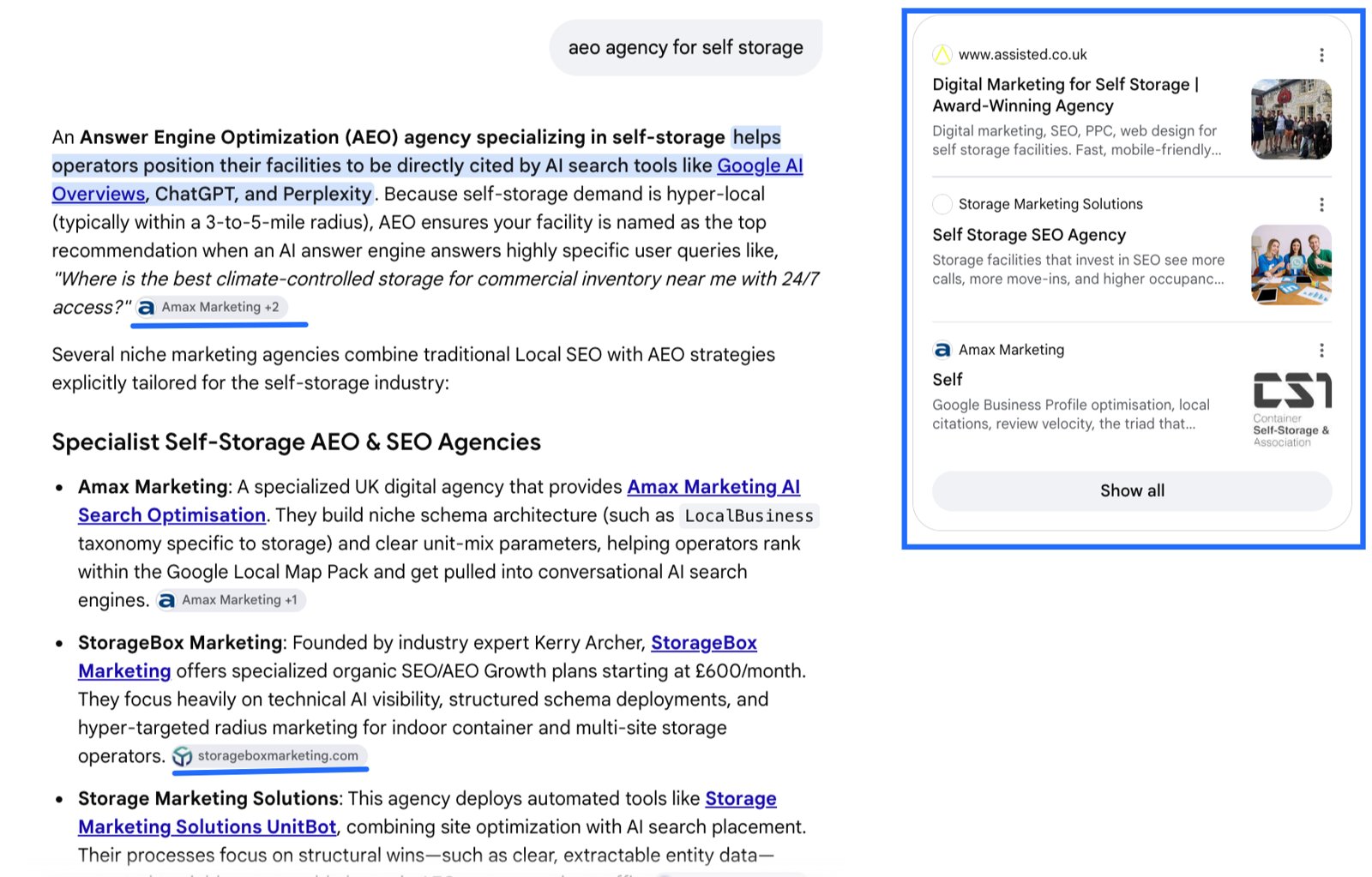
AI Overviews are the AI summaries at the top of Google results. AI Mode is a separate tab where people have a full conversation with Google Search. Both use Google's own index, and AI Mode breaks a question into several smaller searches before it answers, so it can cite pages that rank for related questions too.
How to do AEO for your business, step by step
AEO works best as a sequence. Each step below builds on the one before, so start at the top even if your website is already well established.
1. Find the questions your buyers ask AI
Buyers ask AI tools longer and more specific questions than they type into Google. A logistics manager may search "3PL UK" on Google, then ask ChatGPT "which 3PL in the UK handles temperature-controlled storage for under 500 pallets?". AI tools also split that question into several smaller searches, so your content needs to answer the main question and the smaller ones behind it.
- List the questions your sales team hears before every deal: cost, timelines, comparisons and risks.
- Check People Also Ask in Google and the questions in your Search Console data for each service.
- Ask ChatGPT, Claude and Perplexity your buyers' questions and note who they name today.
- Read Reddit threads and LinkedIn posts in your industry for the exact wording people use.
2. Build your SEO foundation and let AI bots crawl your site
An AI tool can only quote a page it can reach and read. Technical SEO is the first gate, and AI crawlers add a few checks of their own.
- Make sure your key pages are indexed in Google Search Console and Bing Webmaster Tools.
- Check robots.txt allows AI crawlers such as OAI-SearchBot, GPTBot, ClaudeBot, PerplexityBot and Google-Extended.
- Show your main content in plain HTML, since many AI crawlers do not run JavaScript.
- Keep pages fast, and fix broken links and redirect chains.
3. Write answer-first content
AI tools lift short passages, so each section of your page should answer its question in the first two or three sentences, then add detail. Long introductions bury the answer where the AI tool may never use it.
- Write each H2 and H3 as the question your buyer asks.
- Answer each one in 40 to 60 words straight under the heading.
- Add specific facts: prices, ranges, timelines, locations and named standards.
- Cite research and data, and use lists and tables for comparisons.
- Update key pages regularly and show the date they were last reviewed.
4. Add structured data
Structured data (schema markup) is code that labels the facts on your page, such as who you are, what you offer and where you work. It helps search engines and AI tools understand your business without guessing.
- Add Organization schema with your name, logo, contact details and social profiles.
- Add Service or Product schema to each service page.
- Add FAQPage schema where the page answers common questions.
- Add Article schema with the author and date on blog posts.
- Test everything with Google's Rich Results Test.
5. Build authority with digital PR, mentions and reviews
AI tools check what other websites say about you before they recommend you. A business named by trade publications, news sites, directories, review sites and forums looks far more credible than one that only describes itself, and each of those mentions is another page an AI tool can retrieve. Digital PR is the most direct way to earn that coverage.
- Publish original data from your own work, such as average costs, timelines or survey results, and pitch it to journalists.
- Offer expert comment on industry news through journalist request services.
- Write guest articles for the trade publications your buyers read.
- Apply for industry awards and "best of" or "top companies" lists in your category.
- Keep your business name, address and description the same on every listing and directory.
- Collect reviews on Google, Trustpilot or the review sites your industry uses.
- Take part in Reddit, LinkedIn and industry forums where your buyers ask questions.
6. Optimise for each platform
Once the foundation is in place, tune for the platforms your buyers use most. Each one has its own sources and signals. Our step-by-step guides cover how to rank your business in ChatGPT, how to rank your business in Claude and how to rank in Google AI Overviews and AI Mode.
How do you measure AEO results?
You measure AEO by tracking how often AI tools name your business, how often they link to you, and how much of that turns into visits and leads. No single tool shows all of it yet, so most businesses combine a few.
- AI referral traffic: visits from chatgpt.com, claude.ai, perplexity.ai and gemini.google.com in Google Analytics 4.
- Google performance: impressions and clicks in Search Console, which include AI Overviews and AI Mode.
- Mentions and citations: how often you appear for a fixed set of buyer prompts, checked monthly by hand or with an AI visibility tool.
- Leads: enquiries that name an AI tool when you ask "how did you find us?".
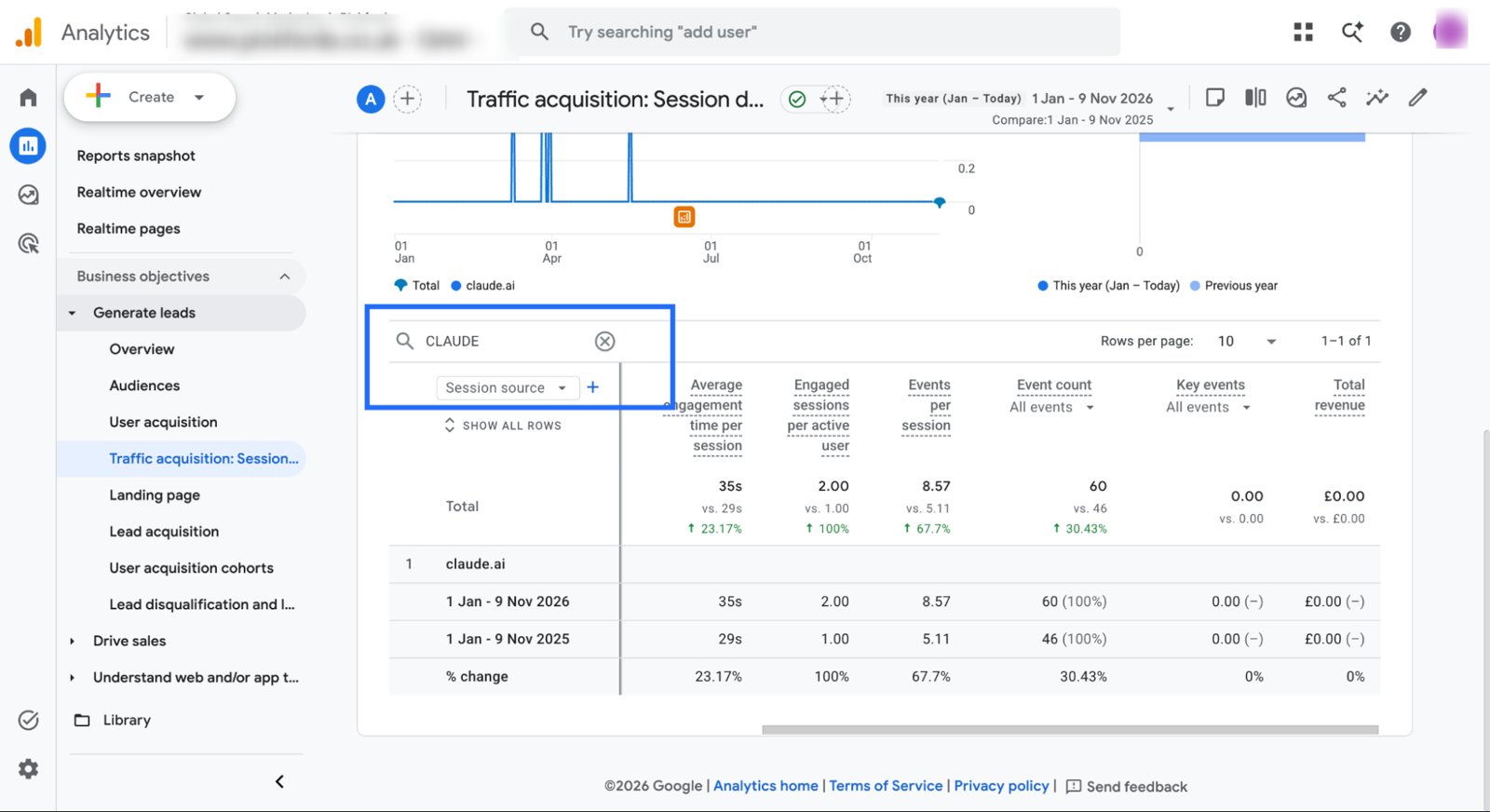
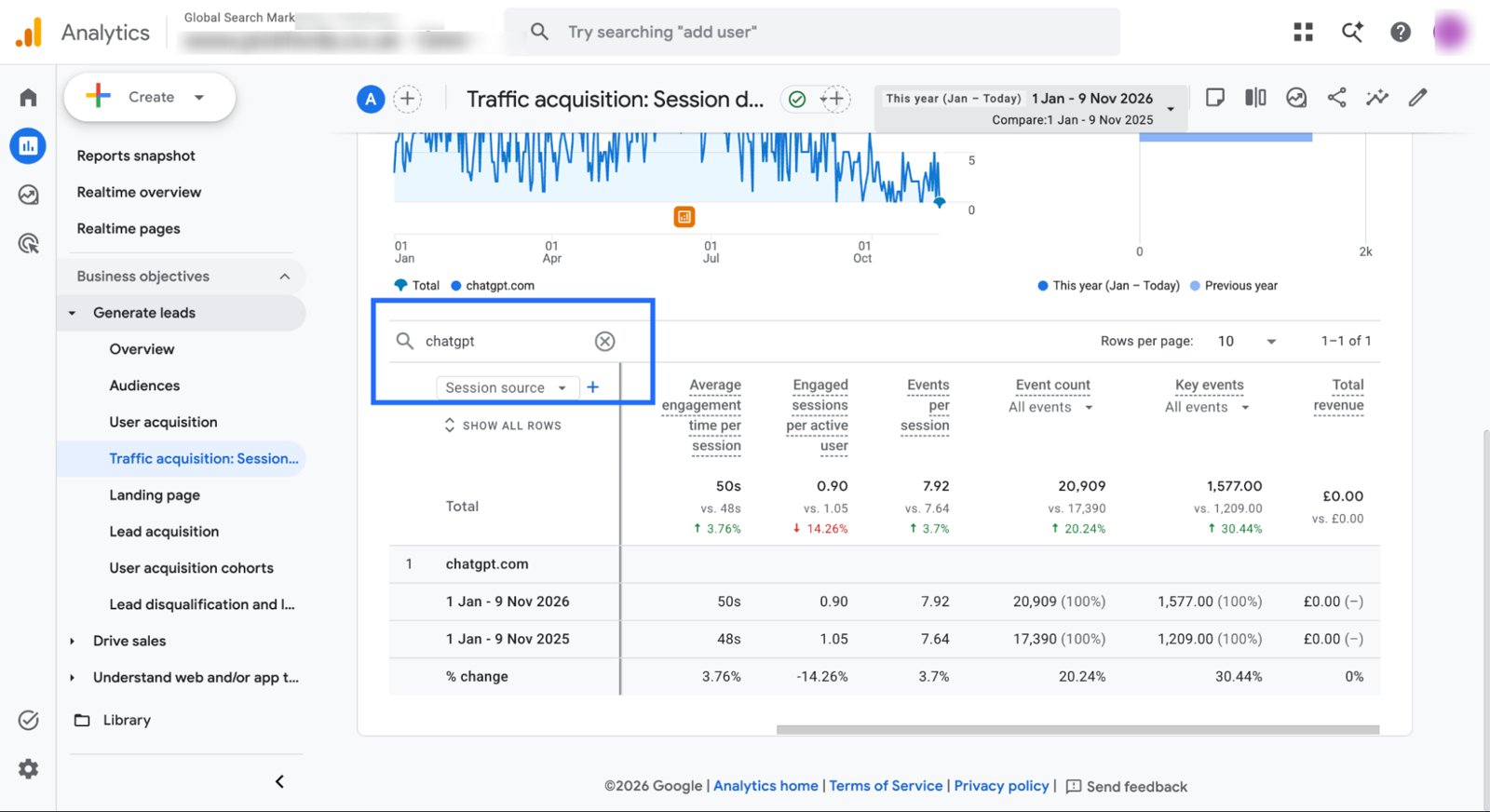
When leads do come in from AI they are much more likely to convert.
That pattern is common, which is why counting enquiries matters as much as counting visits. Our guide on how to track AI traffic on your website walks through the free setup in GA4 and Search Console, and can SEO generate leads? explains how that traffic turns into sales.
How long does AEO take to show results?
Platforms that search the web live, such as Perplexity, AI Overviews and ChatGPT search, can start citing a new or improved page within a few weeks of it being indexed. Changing what AI tools say about your business as a whole usually takes three to six months, because it depends on reviews, PR coverage and rankings building up. Mentions in an AI model's own trained knowledge change slowest, since they update only when the model is retrained.
How is AEO different for B2B and B2C businesses?
B2B buyers ask fewer, longer and higher-value questions, often as part of a team that compares several suppliers over weeks or months (our B2B SEO strategy guide maps that journey stage by stage). That makes detailed comparison pages, pricing guidance, case studies and proof of expertise the most valuable AEO content for B2B. A freight forwarder in Rotterdam, a commercial property firm in Sydney or a software company in Toronto all need to be named when a buyer asks AI for a shortlist.
I find Perplexity really good for this.
B2C buyers ask quicker questions and often decide in one session. A homeowner asking "best removals company near me" or a shopper asking "best running shoes for flat feet" gets a short list built mostly from reviews, local listings and product information. For B2C, reviews, local SEO and clear product data carry the most weight.
In both cases, buyers now arrive having already read about you. In B2B, that research decides the shortlist. In B2C, it often decides the purchase.
How do AI answer engines choose which businesses to recommend?
AI tools recommend businesses they can find, understand and verify. They retrieve pages that answer the question clearly, then favour businesses that several trusted sources agree on.
How do AI tools find sources? RAG and query fan-out
An AI tool draws on two sources of knowledge. Its training data is a large snapshot of the web taken before the model was released, which shapes what it already "knows" about your brand. For current or specific questions, it uses retrieval-augmented generation (RAG): it retrieves live pages first, then writes its answer from what those pages say.
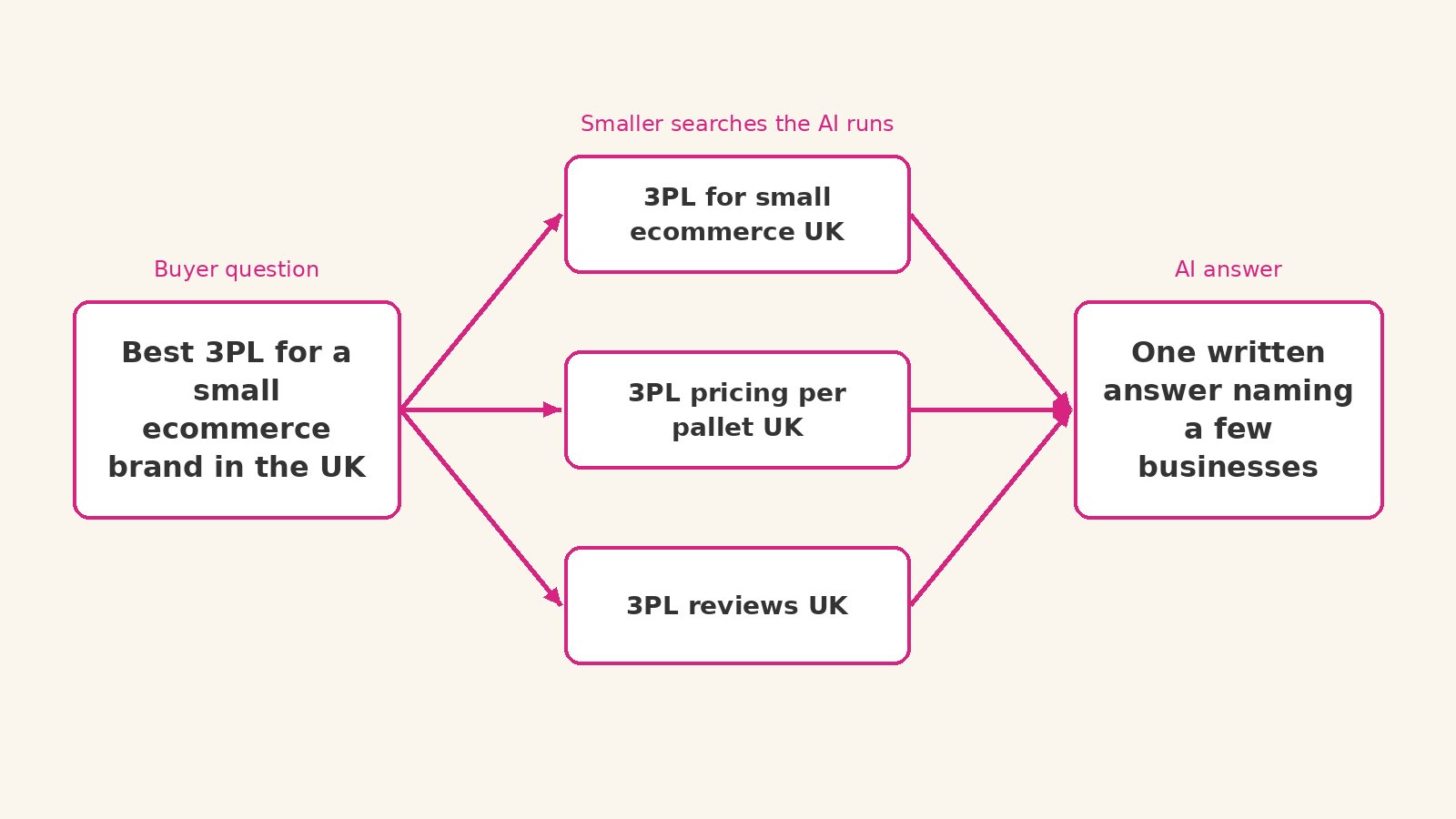
Before retrieving, most AI tools use query fan-out. They rewrite your buyer's question into several smaller searches. "Best 3PL for a small ecommerce brand in the UK" might become "3PL for small ecommerce UK", "3PL pricing per pallet UK" and "3PL reviews UK". The tool then runs those searches through an index such as Google or Bing, collects the top pages from each and reads them together.
For your business, this means two things. You can be found through any of the smaller searches, not only the main one. And a business that appears across several of them, on its own site and on other sites, stands out when the AI tool decides who to name.
How do AI tools pick a passage to quote?
After retrieving, the AI tool breaks pages into passages and picks the ones that answer the question most directly. A clear answer under a matching heading is easier to lift than the same point buried mid-paragraph. Pages with specific facts, dates and cited data give the AI tool something concrete to quote.
What signals do AI tools trust?
- Clear answers: direct, specific responses under question-led headings.
- Entity consistency: the same name, services and details everywhere your business appears.
- Reviews: volume, rating and recency on trusted review sites.
- Mentions on other sites: coverage in publications, directories, forums and lists.
- Structured data: schema markup that labels your facts.
- Freshness: recently updated pages for questions where dates matter.
Why does AEO matter for your business in 2027?
AEO matters because buyers now choose their shortlist before they speak to you, and AI answers increasingly shape that shortlist.
- Research by 6sense found that B2B buyers make first contact 61% of the way through their buying process, and 94% of buying groups already have a favourite by then.
- Gartner found that 67% of B2B buyers in 2026 preferred a buying experience without a sales rep.
- TrustRadius found that 63% of software buyers used AI to research a purchase in 2026.
If your business is missing from AI answers, buyers can build a shortlist without you and never know you were an option. Competitors who appear early in that research become the favourite before your sales team has a chance to speak.
What does AEO look like in practice?
One of our clients is a UK logistics business that ships baggage and personal belongings internationally. In 2026, we rebuilt its content around the questions customers ask before they book. We created a destination content cluster (one pillar guide and five supporting posts), published new answer-first blogs every month, checked older pages for indexing and crawl issues, and built backlinks and brand mentions on relevant sites.
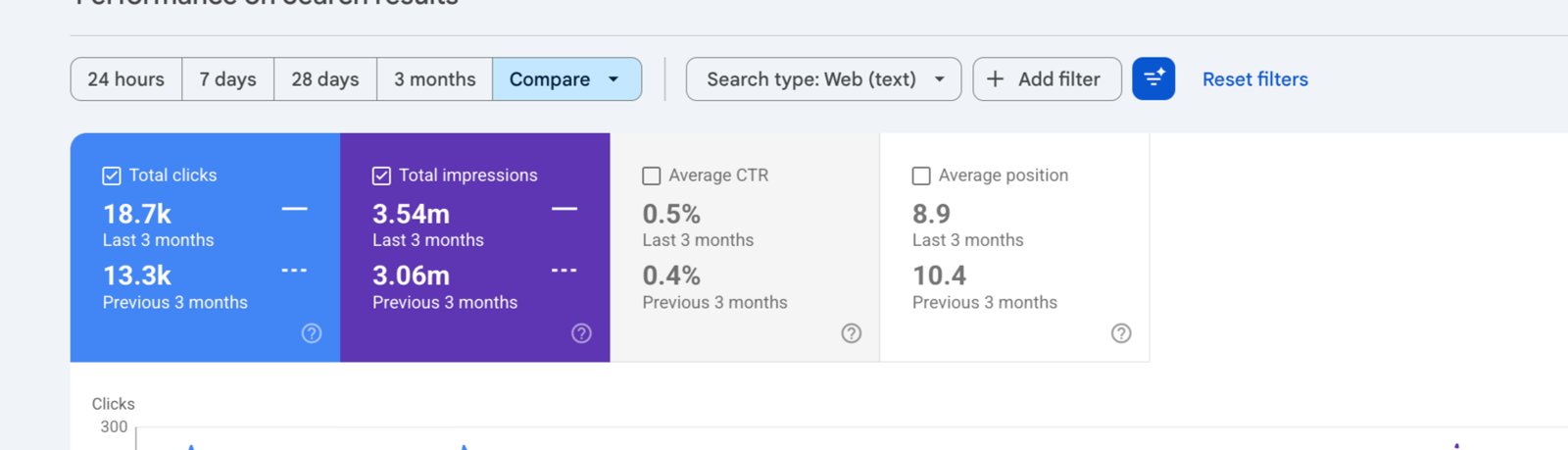
By October 2026, monthly users were up 149% and sessions up 105% compared with October 2025.
Semrush estimates its organic traffic grew from 4,800 visits in February to 10,900 in October, and its AI visibility score rose from 22 to 28. Its blogs now appear as sources in Google's AI Overviews.
What are the most common AEO myths?
"AEO replaces SEO"
AI tools search the web before they answer, so SEO remains the base AEO is built on. Ahrefs found that 76% of pages cited in AI Overviews already rank in Google's top 10.
"You need a special file or trick to appear in AI answers"
Files such as llms.txt are optional extras. Clear content, crawlable pages and a strong reputation do the real work.
"AEO is only for big brands"
AI tools often name smaller, specialist businesses when a question is specific, such as a niche service in a named city. Specific questions favour specialists.
"If AI answers the question, nobody visits your website"
Fewer people click for simple facts, but buyers comparing suppliers still click through to check pricing, case studies and contact details. Those visits tend to be better informed and closer to buying. For the wider picture, read will AI replace SEO?
Want to know what AI tools say about your business today? Book a call with Team MAAI.